
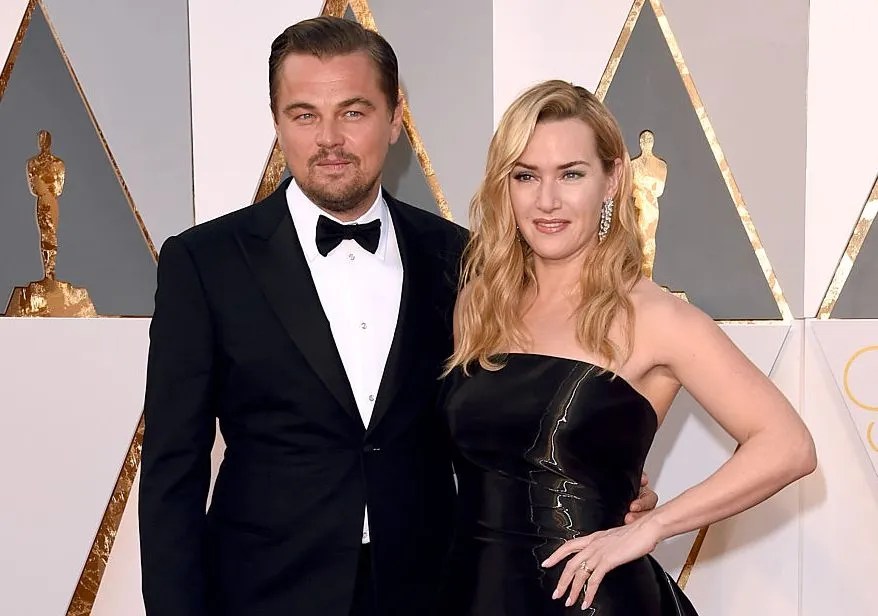
From the 20th to 21st century, we see the rise of the movie stars, like in the 70 to 80s, Hollywood got Bruce Willis, Sylvester Stallone, Mel Gibson, Arnold Schwarzenegger, Al Pacino, Robert DeNiro, Paul Newman, Robert Redford and many more. In the 90s to early 2000s, we got Hugh Jackman, Mark Wahlberg, Leonardo DiCaprio, Matt Damon and still more like them to get the audience to the movies. But nowadays the era is different. Franchise becomes more happening, and people are accustomed to the franchise.
Linda Ann Watt the author of the book called “The Actor’s Manifesto“, tell that: “Back in the day, studios had their actors take diction, acting, dance, and singing lessons. Now, the actor has to navigate this area themselves to be a well-rounded success.” which means most actors right now are very lucky compared to the actors before because more easier to explore their acting style especially in the era where likes of YouTube, TikTok, and any other streaming services has fragmented the entire media ecosystem.
In this era, the inevitability of the franchises themselves is no doubt can’t be avoided, especially in the social media era, and every actor right now can be the new version of “Captain Kirk” & “Spiderman”, but people will recognise and call the actor their “character’s name” instead of their name, according to Scott Mendelson the box office expert of Puck News. One of the examples is Indiana Jones and the Kingdom of the Crystal Skull grossed nearly $800 million worldwide in 2008, but it didn’t prevent Harrison Ford’s next four films from disappointing. The once transformative halo effect in which talents like Leonardo DiCaprio, that stars in blockbusters like Titanic and Inception, nowadays his movie likes Killer of The Flower Moon & One Battle After Another are flops at the box office and he promote the movie itself extensively using a social media and still flops.
Reviving star power is not as simple as delivering quality mid-budget films. Hollywood has continued to do that in the 21st century, only to be met with a shrug of indifference from audiences more often than not. Only a few people, such as Gerard Butler and Jason Statham, can still draw crowds to watch movies in theatres. His movies, besides Gods of Egypt and Hunter Killer or Expendables 4, almost always make 2 to 8 times their budget. Most of it right now is either social media promotion or a Director’s name, which is likened to Christopher Nolan and Michael Bay.
Tom Holland, Timothee Chalamet, and Florence Pugh, despite having huge franchise most of their success comes from the franchise itself likes Marvel Cinematic Universe (MCU) & Dune, despite all of those franchise movies that star them are not bankable at the box office.
Hollywood faces very monumental financial pressures, especially on the back of the pandemic and production shutdowns. However, enduring some short-term pain by developing and investing in more affordable non-IP films with emerging talent can raise the long-term ceiling of the industry. A better balance between big franchises and smaller, more diverse films and an emphasis on talent development and strategic public availability can help foster the next generation of stars.
Sources:
- Tefertiller, A. C., Maxwell, L. C., & Morris, D. L. (2019). Social media goes to the movies: fear of missing out, social capital, and social motivations of cinema attendance. Mass Communication & Society, 23(3), 378–399. https://doi.org/10.1080/15205436.2019.1653468
- Katz, B. (2025, January 3). Why Hollywood no longer produces superstars. Observer. https://observer.com/2024/12/why-hollywood-no-longer-produces-superstars/
- Kidman, S. (2021). The Disneyfication of authorship: Above-the-line creative labor in the Franchise Era. Journal of Film and Video, 73(3), 3-22.
- Roberts, S. (2023). Middle Man. The New York Times Magazine, 7-L.
 Dito Boy Reels
Leave a comment